

antifog bathroom mirror
Understanding the Pricing of 250mm Gate Valves Gate valves are crucial components in various industrial applications, providing a reliable means of controlling the flow of liquids and gases. Among the various sizes, the 250mm gate valve is a popular choice due to its versatility and efficiency. However, understanding the pricing of these valves is essential for businesses and consumers looking to make informed purchasing decisions. Factors Influencing the Price 1. Material Composition The material used in manufacturing gate valves significantly impacts their cost. Common materials include stainless steel, cast iron, and ductile iron. Stainless steel valves, known for their corrosion resistance and durability, tend to be more expensive than cast iron valves. The choice of material depends on the application, working environment, and budget. 2. Manufacturer and Brand The reputation of the manufacturer plays a crucial role in pricing. Established brands with a history of quality and reliability often command higher prices. Buyers may want to consider the trade-off between cost and quality, especially in critical applications where valve failure can lead to significant losses. 3. Design and Features The design of the gate valve itself can influence its price. Some models come with additional features such as higher pressure ratings, improved flow characteristics, or enhanced sealing mechanisms. These advanced designs may increase the manufacturing costs, ultimately affecting the final price. 250mm gate valve price 4. Market Demand and Supply Like any other commodity, the price of gate valves is also influenced by market dynamics. In periods of high demand, prices might surge, while in times of surplus, they could drop. It's important for buyers to keep an eye on industry trends to make their purchases at the right time. 5. Certifications and Standards Valves that meet specific industry standards or certifications (such as API, ANSI, or ISO) may come at a premium price. These certifications often ensure that the product meets stringent safety and performance criteria, which is critical in industries such as oil and gas, water treatment, and power generation. Average Pricing As of 2023, the price range for a 250mm gate valve can vary significantly. Basic models may start around $150 to $300, while high-end models with advanced materials and features could reach upwards of $1,000 or more. It is crucial for buyers to assess their specific needs and budget when selecting a gate valve. Conclusion In conclusion, the price of a 250mm gate valve is influenced by multiple factors, including material, manufacturer, design, market conditions, and certifications. Potential buyers should conduct thorough research and consider their specific requirements before making a purchase. Understanding these factors not only aids in securing a fair price but also ensures that the selected valves meet the necessary performance and safety standards for their intended applications. Investing the time to explore the market can lead to more informed decisions and greater value in the long run.
about
antifog bathroom mirror
Understanding Pilot Controlled Check Valves In the realm of hydraulic systems, pilot controlled check valves play a crucial role in the management and control of fluid flow. Understanding their functionality, design, and applications is essential for engineers, technicians, and anyone involved in fluid power systems. What is a Pilot Controlled Check Valve? A pilot controlled check valve is a type of check valve that allows fluid to flow in one direction while preventing reverse flow under certain conditions. Unlike standard check valves that rely solely on pressure differentials for operation, pilot controlled check valves use a pilot pressure to enable or disable the valve, thus providing more control over the flow characteristics. How Do They Work? The primary function of a pilot controlled check valve is to prevent backflow while allowing forward flow. This operation is divided into two main modes free flow mode and checked flow mode. 1. Free Flow Mode When fluid flows in the intended direction, the valve opens, allowing unrestricted passage. This is achieved by the pilot pressure applied to the valve's control port. The pilot pressure overcomes the spring force keeping the valve closed, effectively allowing fluid to move freely. 2. Checked Flow Mode When there is a potential for reverse flow, the pilot pressure is removed. The internal spring then closes the valve, preventing backflow. This feature is essential in applications where reverse flow could damage components or disrupt system operations. Design Features Pilot controlled check valves are typically compact and are designed to withstand high pressures and temperatures. They are available in various configurations, including cartridge-style, inline, and manifold types to suit different applications. Key design features include - Pilot Port A dedicated port that allows the application of pilot pressure to control the valve. - Spring Mechanism A spring that holds the valve closed when not actuated by pilot pressure. - Seals and Materials High-quality seals and materials are used to ensure longevity and reliability, especially in harsh environments. pilot controlled check valve Applications Pilot controlled check valves are ubiquitous in hydraulic systems and find applications across various industries 1. Construction Equipment In hydraulic excavators and backhoes, these valves help in controlling the movement of hydraulic cylinders, ensuring that they do not drift when not in use. 2. Industrial Machinery In presses and other machines requiring precise control of hydraulic actuators, these valves provide the needed safety against backflow, thereby enhancing operational stability. 3. Mobile Equipment Applications in forklifts and aerial lifts benefit from these valves, ensuring that mechanical movements happen in a controlled manner, providing additional safety and efficiency. 4. Agricultural Equipment The reliable operation of hydraulic systems in tractors and harvesters makes pilot controlled check valves essential for effective soil and crop management. Advantages The use of pilot controlled check valves offers multiple advantages - Enhanced Control They provide better control over hydraulic flow, allowing for improved functionality of machines and equipment. - Increase Safety By preventing backflow, these valves help eliminate the risk of hydraulic component failure, thereby enhancing safety. - Efficiency The ability to control flow direction ensures that hydraulic systems operate efficiently, with reduced energy consumption. Conclusion Pilot controlled check valves are an integral part of modern hydraulic systems, delivering safety, efficiency, and control. Their distinct ability to prevent backflow while allowing for controlled forward flow makes them invaluable in a wide range of applications across various industries. As hydraulic technology continues to evolve, the importance of understanding and effectively utilizing pilot controlled check valves will only grow, ensuring that systems are safe, efficient, and reliable. Whether in construction, manufacturing, or agriculture, these valves remain a crucial component in the design and operation of hydraulic systems.
-

High quality industrial productsagement

High quality industrial products
View Details -

Meet the diverse needs of customers

Meet the diverse needs of customers
View Details -

Strict quality control

Strict quality control
View Details -

Top raw materials

Top raw materials
View Details -

Trusted supplier

Trusted supplier
View Details
Our application



news and information
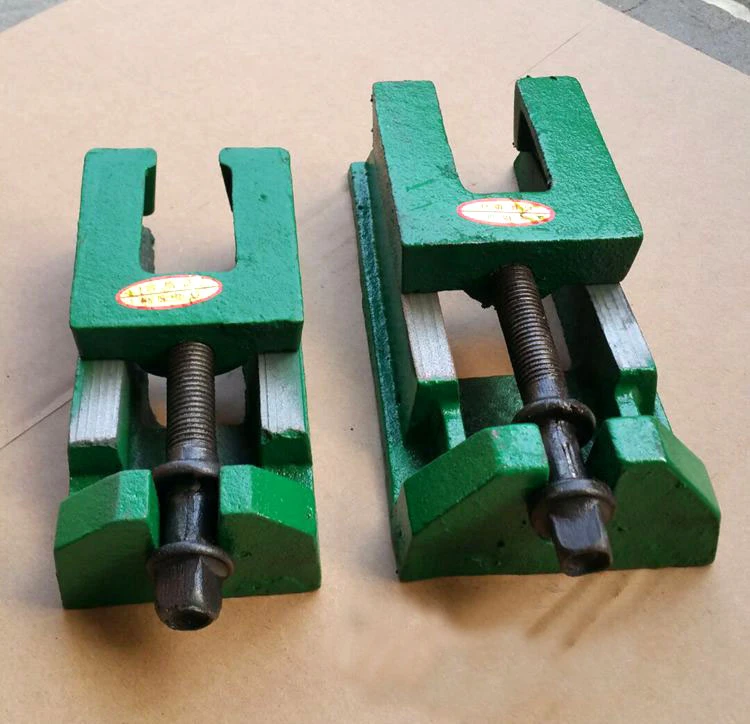
water shutoff valve
Understanding Water Shutoff Valves An Essential Home Component Water shutoff valves are crucial comp

water valve main
Understanding Water Valve Main Key Components and Importance Water valves are critical components in
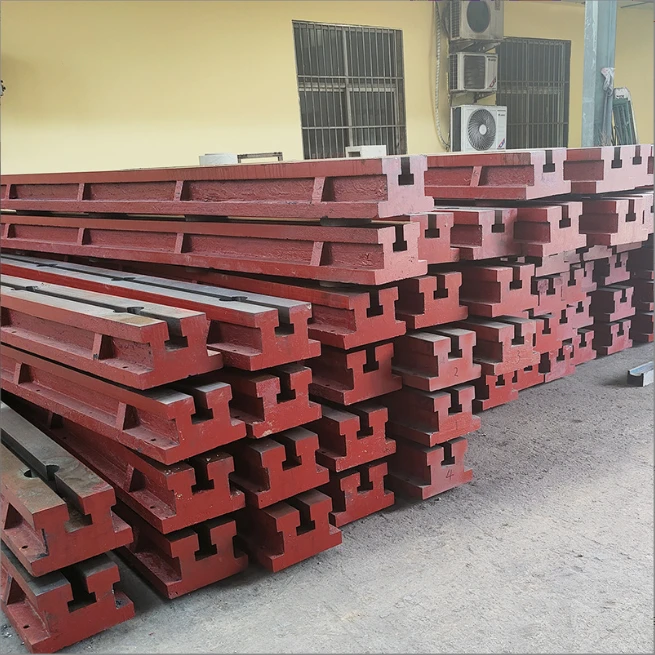
Valvola di ritegno di mezzo pollice
Valvole di controllo da mezzo pollice Funzioni e applicazioni Le valvole di controllo da mezzo polli
 English